Understanding the Role of Schizophrenia Anonymous in Recovery and Support

Schizophrenia is a challenging mental health condition that impacts millions globally. Navigating the path to recovery can feel overwhelming, but support groups are essential in this journey. One such group is Schizophrenia Anonymous (S.A.), which creates a welcoming space for those facing the intricacies of schizophrenia. In this post, we’ll explore how Schizophrenia Anonymous supports its members in their recovery journey.
What is Schizophrenia Anonymous?
Schizophrenia Anonymous is a peer-support group inspired by the principles of Alcoholics Anonymous. It offers a place where individuals struggling with schizophrenia can come together to share their experiences and find support. Members benefit from a compassionate environment where they can discuss their journeys openly.
Being part of a group like S.A. can significantly enhance one’s recovery. Emotional support and practical advice from members who face similar challenges can make daily life manageable. For instance, a member who has found effective ways to handle anxiety might share those techniques with others in the group.
The Importance of Peer Support
Studies indicate that peer support can greatly influence recovery and well-being for individuals with mental health conditions. In fact, a recent survey showed that 85% of participants felt more hopeful after attending support groups.
In Schizophrenia Anonymous, members openly share their recovery stories. This transparency helps to reduce the stigma often associated with mental health issues. By discussing their realities, members build strong connections with one another. These bonds can lead to life-changing friendships, providing emotional and practical backing during tough times.

Strategies for Coping
During meetings, members of Schizophrenia Anonymous exchange useful coping strategies and techniques. These shared experiences empower individuals to take control of their symptoms. For example, conversations may highlight mindfulness practices, medication routines, or lifestyle changes like exercise and nutrition.
Each member shares what has worked for them. This exchange of information creates a rich resource of collective wisdom. When someone wants to try meditation to cope with anxiety or needs advice on adhering to medication, support from the group can be invaluable.
Breaking Down Stigmas
The stigma around mental health remains a considerable obstacle for many. Schizophrenia Anonymous actively challenges perceptions by encouraging open dialogue. Members educate each other and the public, dismantling myths that propagate stigma.
This educational approach has profound effects. For example, when members share their experiences, it helps others understand that schizophrenia is a medical condition that deserves compassion and treatment. Consequently, communities become more accepting, promoting greater support for those living with schizophrenia.
Building a Network of Support
Joining Schizophrenia Anonymous allows members to create a strong support network. The relationships built during meetings often extend beyond the formal setting.
For instance, a member might reach out to a friend made in the group during a challenging episode. Knowing there is someone who truly understands their struggles can be a powerful comfort. This external support is crucial in navigating daily challenges, ensuring that individuals do not have to face them alone.
Encouraging Personal Growth
Schizophrenia Anonymous goes beyond symptom management; it promotes personal growth as well. Members often find inspiration in each other's stories of resilience. The group instills hope, encouraging individuals to transform their struggles into motivation for self-improvement.
For example, participants may be encouraged to pursue educational opportunities or seek employment, demonstrating that a fulfilling life is achievable despite a diagnosis. Learning from each other's success stories opens doors to new possibilities and destinations in the journey toward recovery.

Maintaining Confidentiality
A vital aspect of Schizophrenia Anonymous is its strict commitment to confidentiality. Members know that what they share in the group stays within those walls.
This assurance builds trust and encourages participants to be open about their thoughts and feelings. An atmosphere of authenticity allows for deeper conversations, fostering increased support among members. With trust firmly established, individuals feel safe exploring their genuine selves.
Final Thoughts
Schizophrenia Anonymous is an essential resource for individuals grappling with schizophrenia. By offering peer support, shared experiences, and practical coping strategies, the organization empowers members to progress on their recovery journey with dignity.
Through its work to dismantle stigma and promote understanding, Schizophrenia Anonymous creates a supportive community where individuals can thrive. As the group continually evolves, it remains a beacon of hope for those affected by schizophrenia, illuminating a path toward recovery and fellowship.

1
Searing the Beef
Sear beef fillets on high heat for 2 minutes per side to form a golden crust. Let it cool before proceeding to keep the beef tender.
1
Searing the Beef
Sear beef fillets on high heat for 2 minutes per side to form a golden crust. Let it cool before proceeding to keep the beef tender.
1
Searing the Beef
Sear beef fillets on high heat for 2 minutes per side to form a golden crust. Let it cool before proceeding to keep the beef tender.
1
Searing the Beef
Sear beef fillets on high heat for 2 minutes per side to form a golden crust. Let it cool before proceeding to keep the beef tender.
Notes


1
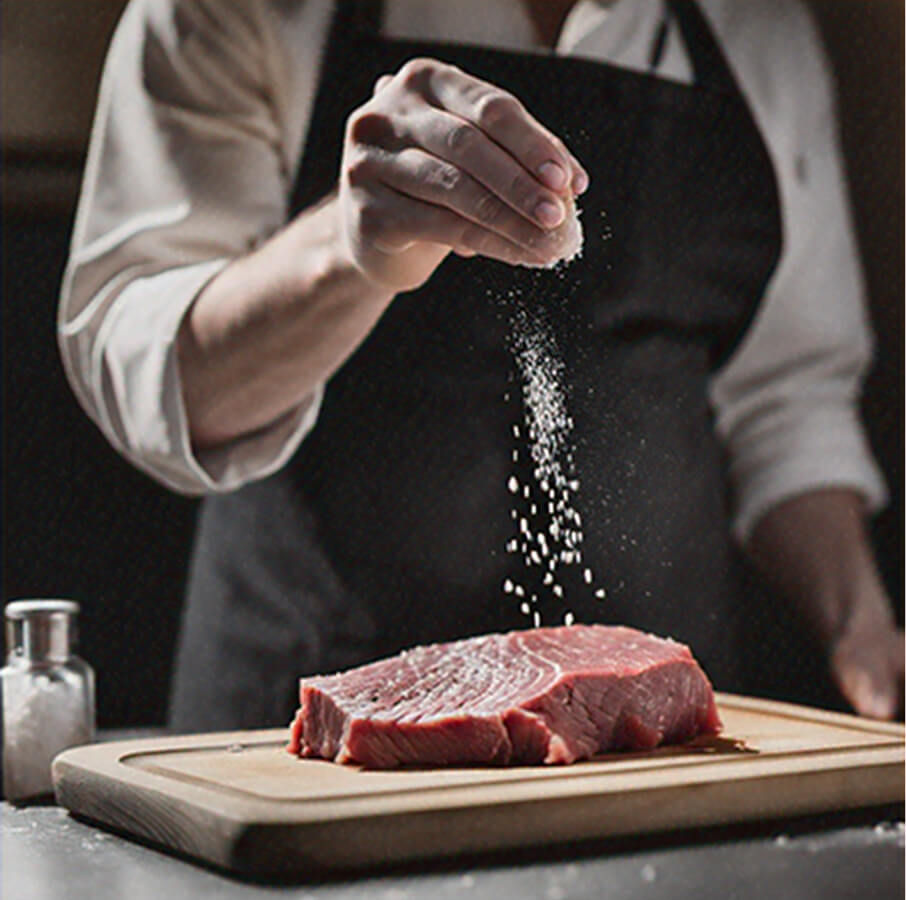
Season the good fresh beef fillets with salt and black pepper. Heat olive oil in a pan over high heat and sear the fillets for 2 minutes per side until it fully browned. Remove the beef from the pan and brush with a thin layer of mustard. Let it cool.
1
Season the good fresh beef fillets with salt and black pepper. Heat olive oil in a pan over high heat and sear the fillets for 2 minutes per side until it fully browned. Remove the beef from the pan and brush with a thin layer of mustard. Let it cool.
1
Season the good fresh beef fillets with salt and black pepper. Heat olive oil in a pan over high heat and sear the fillets for 2 minutes per side until it fully browned. Remove the beef from the pan and brush with a thin layer of mustard. Let it cool.
1
Season the good fresh beef fillets with salt and black pepper. Heat olive oil in a pan over high heat and sear the fillets for 2 minutes per side until it fully browned. Remove the beef from the pan and brush with a thin layer of mustard. Let it cool.
Instructions
Quality Fresh 2 beef fillets ( approximately 14 ounces each )
Quality Fresh 2 beef fillets ( approximately 14 ounces each )
Quality Fresh 2 beef fillets ( approximately 14 ounces each )
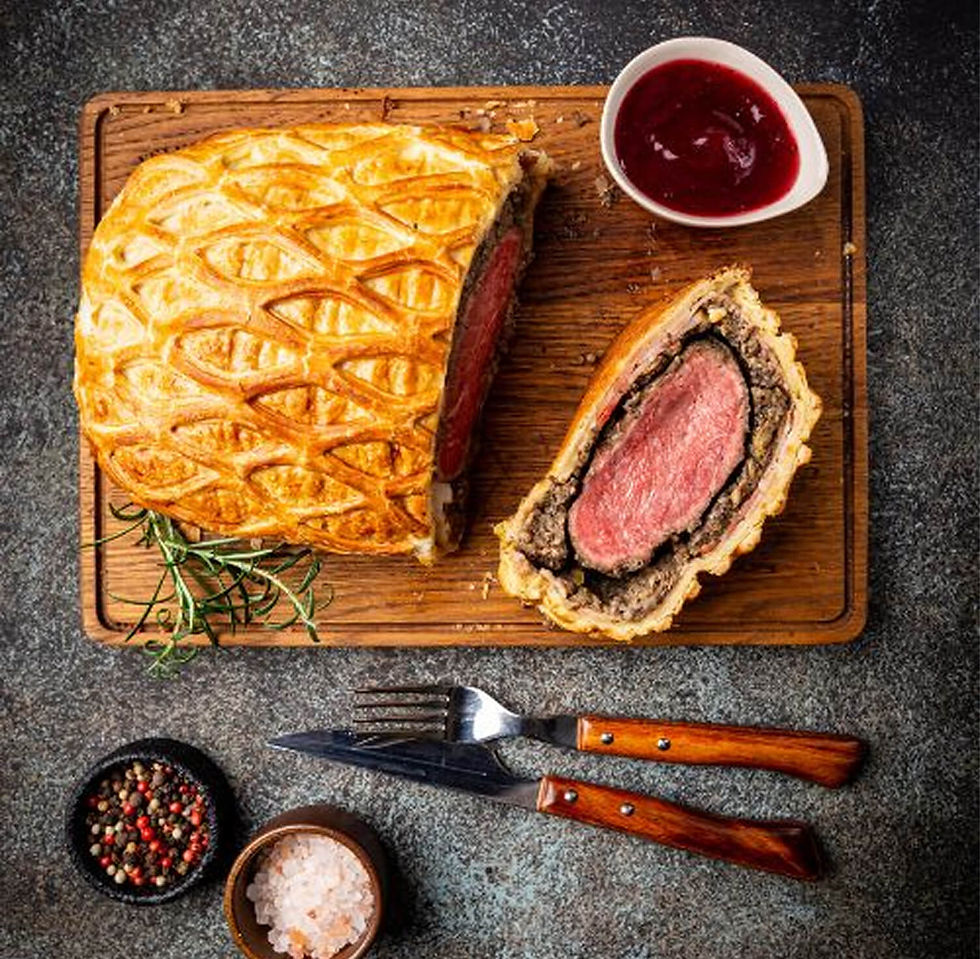
Beef Wellington
Beef Wellington
Fusion Wizard - Rooftop Eatery in Tokyo
Author Name
%20(1).jpg)
Beef Wellington is a luxurious dish featuring tender beef fillet coated with a flavorful mushroom duxelles and wrapped in a golden, flaky puff pastry. Perfect for special occasions, this recipe combines rich flavors and impressive presentation, making it the ultimate centerpiece for any celebration.
Servings :
4 Servings
Calories:
813 calories / Serve
Prep Time
30 mins
Prep Time
30 mins
Prep Time
30 mins
Prep Time
30 mins

$50
Product Title
Product Details goes here with the simple product description and more information can be seen by clicking the see more button. Product Details goes here with the simple product description and more information can be seen by clicking the see more button

$50
Product Title
Product Details goes here with the simple product description and more information can be seen by clicking the see more button. Product Details goes here with the simple product description and more information can be seen by clicking the see more button.
$50
Product Title
Product Details goes here with the simple product description and more information can be seen by clicking the see more button. Product Details goes here with the simple product description and more information can be seen by clicking the see more button.


![Stigma, originally referring to the visible marking of people considered inferior, has evolved in modern society into a social concept that applies to different groups or individuals based on certain characteristics such as socioeconomic status, culture, gender, race, religion, and health status. Social stigma can take different forms and depends on the specific time and place in which it arises. Once a person is stigmatized, they are often associated with stereotypes that lead to discrimination, marginalization, and psychological problems.[1] This process of stigmatization not only affects the social status and behavior of stigmatized persons, but also shapes their own self-perception, which can lead to psychological problems such as depression and low self-esteem. Stigmatized people are often aware that they are perceived and treated differently, which can start at an early age. Research shows that children are aware of cultural stereotypes at an early age, which affects their perce](https://static.wixstatic.com/media/480ebc_fa0d9d67f13c4a9fb16d59467f4ef0f9~mv2.jpeg/v1/fill/w_200,h_200,al_c,q_80,enc_avif,quality_auto/480ebc_fa0d9d67f13c4a9fb16d59467f4ef0f9~mv2.jpeg)
Comments