Addiction
- Dr. Robert Booker

- Jul 16, 2024
- 1 min read
Updated: Oct 15, 2024

Addiction is a complex issue that has been extensively studied and debated. At a high level, addiction refers to the compulsive use of a substance (such as drugs or alcohol) or the compulsive engagement in a behavior (such as gambling or video gaming) despite negative consequences.
There are several key factors that contribute to the development of addiction:
1. Biological factors: Genetics, brain chemistry, and neurological changes can predispose some individuals to addictive behaviors. Certain substances and activities can trigger the brain's reward system, leading to the release of feel-good chemicals like dopamine.
2. Psychological factors: Underlying mental health issues like depression, anxiety, or trauma can drive people to use substances or engage in addictive behaviors as a way to cope or self-medicate.
3. Environmental factors: Access to addictive substances, peer influence, socioeconomic status, and family dynamics can all shape an individual's risk of developing an addiction.
Addiction is considered a chronic, relapsing condition that requires long-term management and support. Treatment approaches often involve a combination of behavioral therapies, medication, and support groups. The ultimate goal is to help individuals develop healthy coping mechanisms and regain control over their lives.
It's important to note that addiction is a complex issue without simple solutions. Attitudes towards addiction have evolved over time, shifting from a moralistic view of addiction as a personal failing to a more nuanced understanding of it as a medical condition. Continued research and understanding of the underlying causes and effective treatments for addiction remain an important public health priority.
1
Searing the Beef
Sear beef fillets on high heat for 2 minutes per side to form a golden crust. Let it cool before proceeding to keep the beef tender.
1
Searing the Beef
Sear beef fillets on high heat for 2 minutes per side to form a golden crust. Let it cool before proceeding to keep the beef tender.
1
Searing the Beef
Sear beef fillets on high heat for 2 minutes per side to form a golden crust. Let it cool before proceeding to keep the beef tender.
1
Searing the Beef
Sear beef fillets on high heat for 2 minutes per side to form a golden crust. Let it cool before proceeding to keep the beef tender.
Notes


1
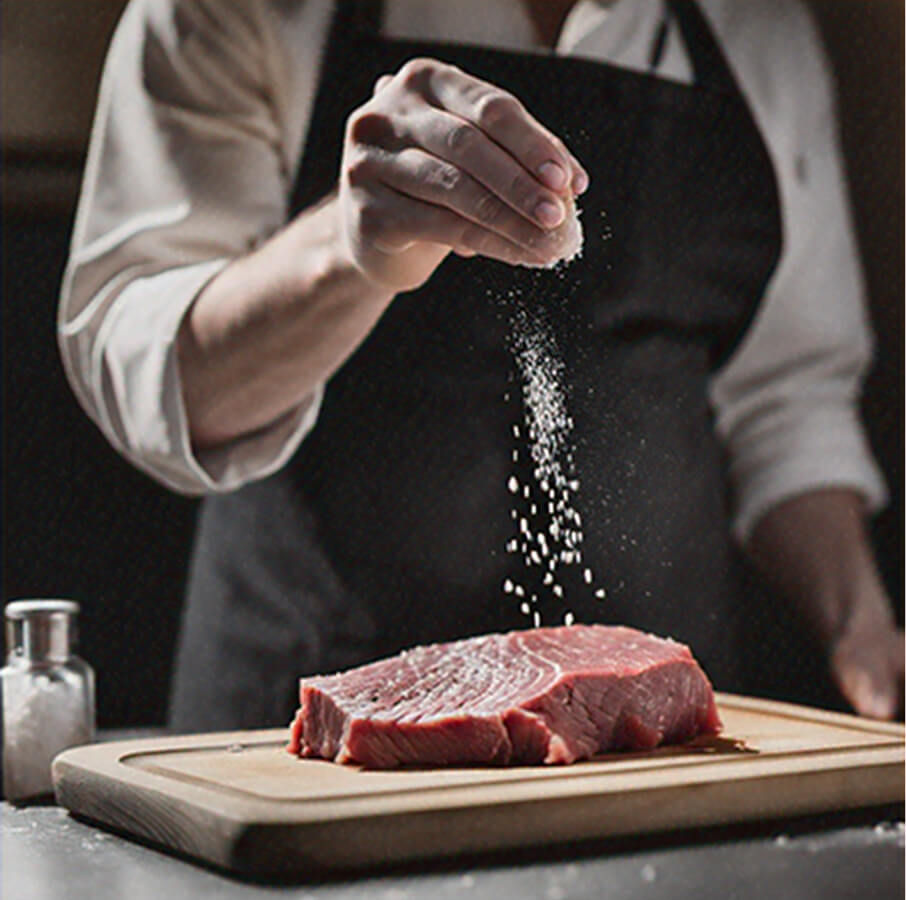
Season the good fresh beef fillets with salt and black pepper. Heat olive oil in a pan over high heat and sear the fillets for 2 minutes per side until it fully browned. Remove the beef from the pan and brush with a thin layer of mustard. Let it cool.
1
Season the good fresh beef fillets with salt and black pepper. Heat olive oil in a pan over high heat and sear the fillets for 2 minutes per side until it fully browned. Remove the beef from the pan and brush with a thin layer of mustard. Let it cool.
1
Season the good fresh beef fillets with salt and black pepper. Heat olive oil in a pan over high heat and sear the fillets for 2 minutes per side until it fully browned. Remove the beef from the pan and brush with a thin layer of mustard. Let it cool.
1
Season the good fresh beef fillets with salt and black pepper. Heat olive oil in a pan over high heat and sear the fillets for 2 minutes per side until it fully browned. Remove the beef from the pan and brush with a thin layer of mustard. Let it cool.
Instructions
Quality Fresh 2 beef fillets ( approximately 14 ounces each )
Quality Fresh 2 beef fillets ( approximately 14 ounces each )
Quality Fresh 2 beef fillets ( approximately 14 ounces each )
Beef Wellington
Beef Wellington
Fusion Wizard - Rooftop Eatery in Tokyo
Author Name
%20(1).jpg)
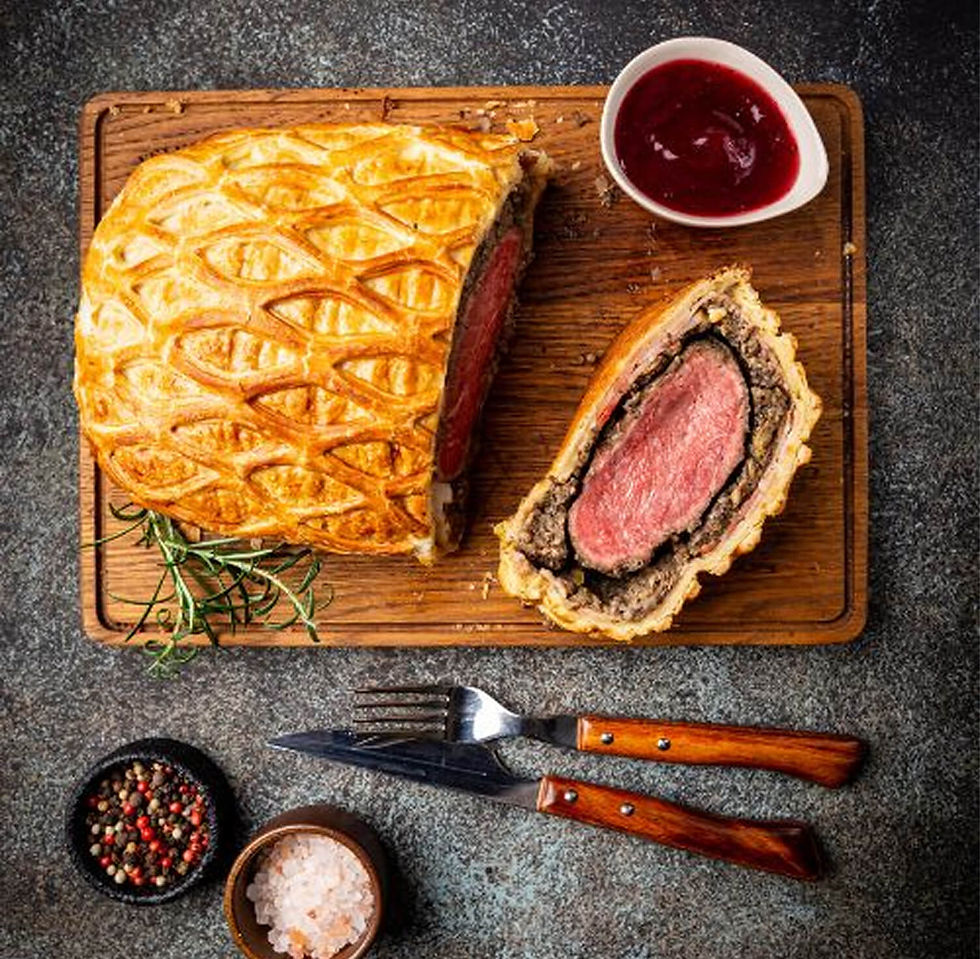
Beef Wellington is a luxurious dish featuring tender beef fillet coated with a flavorful mushroom duxelles and wrapped in a golden, flaky puff pastry. Perfect for special occasions, this recipe combines rich flavors and impressive presentation, making it the ultimate centerpiece for any celebration.
Servings :
4 Servings
Calories:
813 calories / Serve
Prep Time
30 mins
Prep Time
30 mins
Prep Time
30 mins
Prep Time
30 mins

$50
Product Title
Product Details goes here with the simple product description and more information can be seen by clicking the see more button. Product Details goes here with the simple product description and more information can be seen by clicking the see more button

$50
Product Title
Product Details goes here with the simple product description and more information can be seen by clicking the see more button. Product Details goes here with the simple product description and more information can be seen by clicking the see more button.
$50
Product Title
Product Details goes here with the simple product description and more information can be seen by clicking the see more button. Product Details goes here with the simple product description and more information can be seen by clicking the see more button.


Comments